
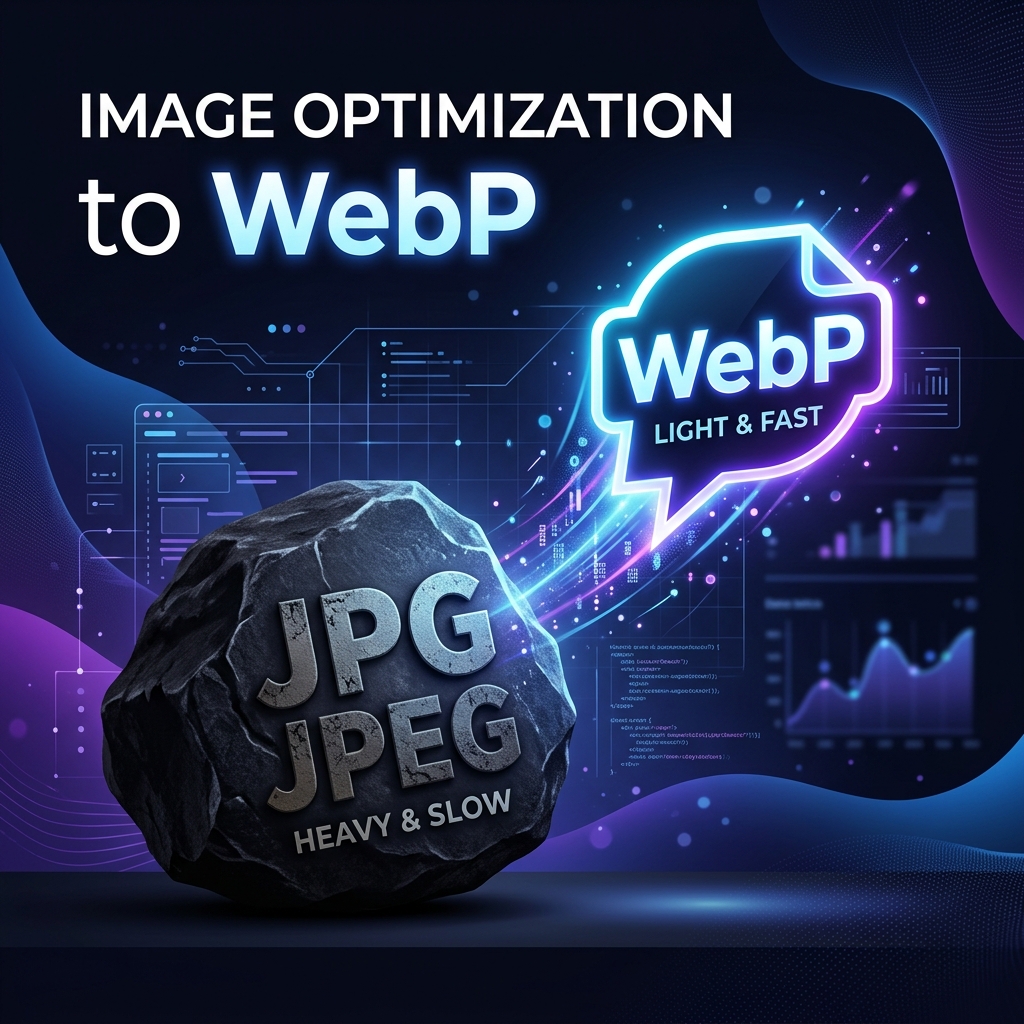
The Ultimate Guide to Image Optimization for Web Performance
In the modern web, speed is everything. According to Google, if a page takes longer than 3 seconds to load, over 50% of mobile users will abandon it. One of the biggest culprits of slow load times? Unoptimized images.
The Rise of WebP
For decades, JPEG and PNG were the standard formats for web images. However, Google introduced WebP, a modern image format that provides superior lossless and lossy compression for images on the web.
WebP lossless images are 26% smaller in size compared to PNGs, and WebP lossy images are 25-34% smaller than comparable JPEG images at an equivalent SSIM quality index.
Benefits of Image Optimization
- Faster Page Loads: Smaller file sizes mean quicker downloads.
- Better SEO Rankings: Search engines heavily penalize slow websites. Core Web Vitals are a direct ranking factor.
- Reduced Bandwidth Costs: Serving smaller files reduces your server bandwidth usage.
- Improved User Experience: Users get to see your content faster, leading to higher engagement and conversion rates.
How to Optimize Your Images
You don't need expensive software like Photoshop to optimize your images. Our platform provides completely free tools to handle this:
- Use our Image Compressor to reduce the file size of your JPEGs and PNGs without losing visual quality.
- Use our Image to WebP Converter to instantly convert your legacy formats into the next-gen WebP format.
All processing is done directly in your browser, meaning your private images are never uploaded to our servers.